Your Car’s Secret Savings Drawer: Building a Kohl’s Coupon Kit for Spontaneous Stops
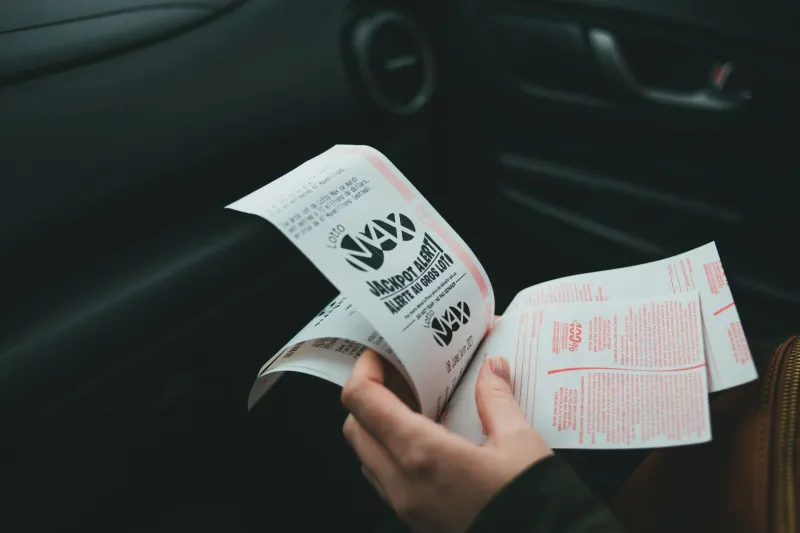
You did not plan to stop at Kohl’s. Maybe a friend texted about a clearance rack, or you found yourself with twenty minutes to kill before a dentist appointment. That is exactly when a printed coupon helps most, and exactly when most of us have nothing in the car but a melted granola bar and an old gas receipt.
The fix is not a full coupon binder stuffed under the passenger seat. It is a glovebox coupon kit: small enough to ignore, organized enough to trust, and tough enough to survive a July afternoon in a parked car. Think of it as a spare tire for your savings. You hope you do not need it often, but you are glad it is there.
Start With a Container That Can Take a Beating
Skip the flimsy envelope. A small hard pencil case, a zippered bank pouch, or a plastic index-card box works well. The goal is a container that closes securely, keeps paper flat, and does not pop open when you take a turn a little faster than necessary.
Keep the whole kit to roughly the size of a paperback book. If it grows beyond that, it stops being a glovebox kit and starts being a mobile filing cabinet. The best version is the one you can pull out at a red light, flip open, and close again without rearranging the console.
The Five Things That Belong in the Kit
A useful car stash is lean. Here is the short list:
- Three to five current printable Kohl’s coupons. Not every coupon you have ever printed. Just the ones likely to match a normal errand: a percent-off offer, a department-specific discount, and maybe one backup for a larger purchase.
- A pen that works. You will use it to jot a purchase date on a receipt, note a return deadline, or write a reminder on your expiration card. Pens live harder lives in cars than they do in desk drawers, so test it monthly.
- A receipt envelope. Keep Kohl’s receipts, return paperwork, and any Kohl’s Cash or earned rewards in one place. A small manila envelope or a zippered pouch labeled receipts is enough.
- An expiration cheat sheet. A plain index card with the coupon name, discount, and last usable date. This is the piece most people skip, and it is the piece that saves the most frustration.
- A plastic sleeve or zip bag. This protects coupons from spills, humidity, and the slow fading that comes from sun and heat.
That is it. No hole punch, no dividers, no color-coded tabs. The kit should feel practical, not precious.
Make the Expiration Card Do the Real Work
A stack of coupons is only useful if you know what is inside it. Write the expiration card in plain language: percent-off coupon, expires Nov. 15; home department coupon, expires Nov. 30; $10 off $50, expires Dec. 6. Add a small note if a coupon has a minimum purchase or a brand exclusion.
Use a pencil for the card if you plan to rewrite it often, or a pen if you want the dates to stay put. Either way, keep the card on top of the coupons so you see it first. When you open the kit, you should know in five seconds whether you have anything worth using.
Rotate Once a Month, Not Whenever You Remember
Pick a recurring moment: the first Sunday of the month, the day you pay rent, or the morning after your usual grocery run. Set a phone reminder and spend ten minutes with the kit on the kitchen table.
Pull out anything expired. Add fresh printables. Update the expiration card. Empty the receipt envelope and move anything important into your home filing system. Wipe out the container if it has collected crumbs or grit. Then put the kit back in the car.
The monthly reset matters because paper coupons do not announce their own irrelevance. They just sit there looking helpful until you try to use one at the register. A ten-minute rotation keeps the kit honest.
Heat, Glare, and the Slow Death of a Coupon
A glovebox is not a climate-controlled archive. In many parts of the country, it gets hot enough to warp plastic, fade ink, and turn receipts into brittle little scrolls. Keep the kit out of direct sun and away from the dashboard. A shaded console or a door pocket is usually kinder than the top of the dash.
The plastic sleeve is not decoration. It gives the coupons a barrier against condensation, coffee spills, and the general grit of car life. If a coupon looks faded or the barcode is hard to read, do not count on it. Replace it during the monthly reset. And if you live somewhere with brutal summer heat, consider keeping the kit in a shaded console rather than the glovebox itself. The name is catchy; the shade is what matters.
The Receipt Envelope Is Not Optional
Spontaneous stops create spontaneous paperwork. A return window, a price adjustment, or a Kohl’s Cash slip can disappear into the black hole of the center console. The receipt envelope gives all of it a home.
Use the pen to write the purchase date on the front of the receipt if it is not obvious. If you bought something you might return, note the return-by date on the envelope. When you get home, empty the envelope instead of letting it become a permanent car archive.
Build It Once, Then Let It Be Boring
The ideal glovebox kit is not impressive. It is a small pouch with a few current coupons, a working pen, a receipt envelope, and a card that tells you what expires when. You build it in five minutes, reset it once a month, and otherwise forget about it.
Then comes the unplanned stop. You open the glovebox, pull out the pouch, check the card, and walk into Kohl’s with a coupon instead of a vague memory of one. That is the whole point: not a perfect system, just a small savings habit that is already in the car when you need it.