Your Printer Is Not Free: The Real Cost of Every Kohl's Coupon You Click Print On
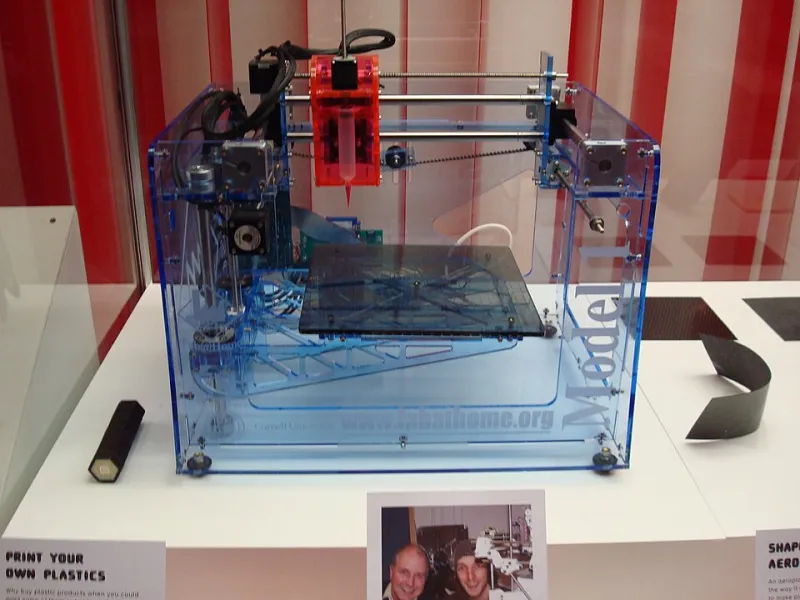
Photo: Robert Hunt, CC BY 2.0, via Wikimedia Commons
The printer is already sitting there. The paper was bought months ago. The coupon is right on screen, and hitting print feels like found money. That is exactly how home printing sneaks past a budget: the cost is real, but it arrives in a cartridge replacement six weeks later, not at the moment you click Print.
Here at Kohl's Printable Coupons Now, we are not anti-printer. Paper coupons work. They get remembered, handed over, and stacked with Kohl's Cash in a way that digital codes sometimes do not. But if you are going to print Kohl's coupons at home, you should know what each one actually costs. The math is simpler than it looks, and it changes how you shop.
The costs that hide behind the print button
Start with ink. Ink is the big one, and it is deliberately confusing. A color cartridge might cost $30 to $45 and claim a page yield that assumes you print a few lines of text, not a coupon with a logo, borders, and a barcode. In real-world use, a full-color coupon page can run anywhere from 15 to 35 cents in ink alone. A black-and-white text page is usually much cheaper, often 3 to 7 cents.
Paper is smaller but not zero. A standard ream of printer paper costs roughly 1 to 3 cents per sheet. Printer wear is real too. Rollers, print heads, and heating elements do not last forever. A reasonable allowance is 1 to 2 cents per page, even if you never see that cost on a receipt.
Then there are the failed prints. The page that jams. The coupon that prints with a smeared barcode. The browser that decides to add a blank second page. Most home printers waste somewhere between 5 and 20 percent of pages. Add a few cents per usable coupon to cover the misfires.
Time matters as well, but it is harder to price. If printing a coupon takes two minutes and saves you $10, most people would take that trade. If it takes fifteen minutes of troubleshooting to save $2, the coupon is already losing.
The break-even formula
You do not need a spreadsheet. Use this:
Cost per usable coupon = (ink per page + paper per page + printer wear + failed-print allowance) ÷ usable coupons per page
Net value = coupon discount − cost per usable coupon
A quick example. Say a color coupon page costs 25 cents in ink, 2 cents in paper, 1 cent in wear, and 5 cents for failed-print allowance. That is 33 cents for the page. If the page holds one coupon worth $10 off, the net value is about $9.67. That is an easy yes. If the same page holds a $2 coupon, the net value is about $1.67. That is not automatically bad, but it is thin enough that you should ask whether you would make the trip anyway.
Here is the practical rule: if the net value is under $2, treat the coupon as optional. If it is under $1, skip it unless you are already printing something else and the coupon is on the same page. If it is $5 or more, print it, assuming you were going to buy the item regardless.
When home printing wins
Home printing usually makes sense when the coupon is high-value. A $10 off $50, a 30 percent off one item, or a $15 off $75 is worth far more than the page cost. It also wins when you can fit multiple coupons on one sheet or when the store accepts a black-and-white print just as readily as a color one.
Batching helps. If you are going to print one coupon, print the three or four you might use on the same shopping trip. The printer is already warmed up, the ink is already being used, and the paper cost is shared. The worst version of home printing is printing one low-value coupon at a time, several times a week, on a printer that runs a cleaning cycle every time it wakes up.
When home printing loses
It loses when the coupon is small and the ink is expensive. A $1 or $2 coupon on a purchase you were not planning to make is not savings. It is a reason to spend. It also loses when you are printing in color because you assume the store requires it, but the coupon terms never say color is mandatory. Check the fine print before you burn a color cartridge on a coupon that would work fine in grayscale.
It loses badly when the printer starts misbehaving. One jam is normal. Three jams and a smeared barcode mean you are paying for frustration. At that point, a digital code or a library print is the cheaper move.
The alternatives, priced honestly
Digital codes have no printing cost, but they have a different cost: you have to remember them. If you are the kind of shopper who opens the Kohl's app at the register, a digital code is the clear winner. If you are the kind of shopper who forgets the code until you are already in the car, paper is doing real work for you.
Library printing is usually 10 to 25 cents per page. That is often cheaper than home color printing, especially if you only need one or two coupons. The catch is the trip. If the library is on your normal route, it is a great option. If it is a special trip, add the gas and time to the cost.
Skipping the coupon entirely is also a valid choice. A coupon is not a discount if it pushes you into a purchase you would not have made. The best coupon is the one attached to something already on your list.
A short checklist before you hit Print
- Check the coupon value against the page cost. If it is under $2 net, pause.
- Print one test page before committing to a batch.
- Use grayscale if the coupon terms allow it.
- Put multiple coupons on one page when you can.
- Track how long a cartridge actually lasts, not what the box claims.
- Never print a coupon for a purchase that was not already planned.
In 2026, ink is still the most expensive liquid most of us keep in the house. That does not mean the printer should stay off. It means the coupon should earn its page. Run the math once, set your own minimum net value, and let the cheap coupons go. Your cartridge, your drawer, and your budget will all be better for it.