The Kitchen Drawer Effect: Why Printed Kohl's Coupons Get Used While Digital Codes Get Forgotten

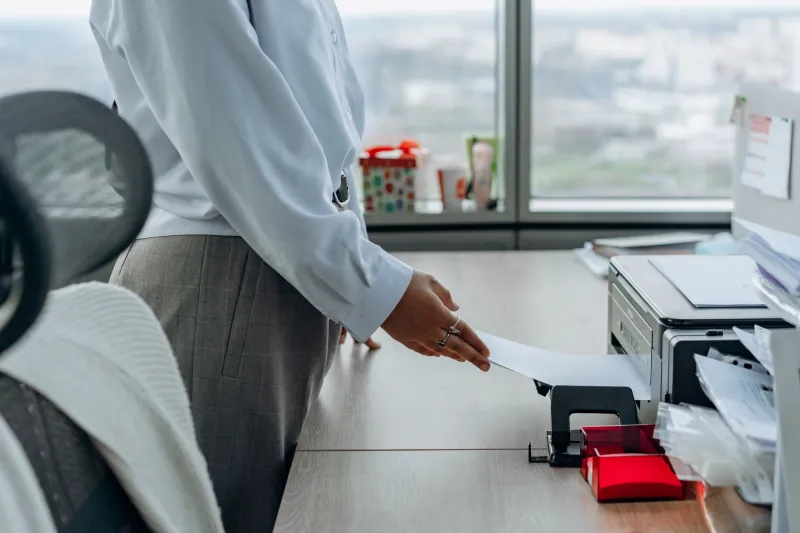
Photo: Marufish from Alor Setar, Malaysia, CC BY-SA 2.0, via Wikimedia Commons
There's a quiet battle happening in American kitchens, and most shoppers don't even realize they've picked a side. On one side: the promo code buried in an email folder, three deletions away from oblivion. On the other: the printed coupon sitting in a kitchen drawer, ready at a moment's notice.
Guess which one actually gets used?
If you've ever stood in a Kohl's checkout line patting your pockets for a code you half-remember seeing on your phone, you already know the answer. The coupon you can touch is the coupon you'll use. Let's talk about why — and how to build a savings station that works with your brain instead of against it.
The Psychology of What You Can See
Behavioral researchers have a term for what happens to digital offers: out of sight, out of mind. Your inbox receives dozens of promotional emails a week, and each new one pushes the last further down the pile. By the time you're standing at the register, that 30% off code from Tuesday is a distant memory.
Paper works differently. A printed Kohl's coupon has physical presence. It lives somewhere. It catches your eye when you open the drawer for a rubber band and think, oh right — we need socks. That five-second visual reminder is doing more work than any push notification ever could.
There's also a subtle commitment effect at play. Printing something takes effort — a few clicks, a sheet of paper. That small investment makes you more likely to follow through. Digital codes cost nothing to collect, so they're just as cheap to abandon.
Building Your Coupon Drawer in Ten Minutes
You don't need a fancy organizer. One kitchen drawer — ideally near where you drop your keys or pack your bags — will do the job. Here's the quick setup:
- Empty and claim. Pick a drawer with room to spare. Junk drawer real estate is fine; just carve out a section.
- Add two envelopes. Label one "Ready to Use" and one "Future Trips." The first holds coupons valid this week; the second holds anything with a later expiration date.
- Sort by expiration date. Whatever expires soonest goes on top of the Ready pile. When a coupon dies, it goes straight to the recycling bin — no guilt, no clutter.
- Keep a pen in the drawer. Sounds trivial, but jotting the expiration date in big numbers on the coupon's corner means you'll never squint at fine print in the checkout line.
That's it. No binder, no color-coding system, no app. The whole point is friction removal: the easier it is to grab a coupon on the way out the door, the more often you'll actually save.
The Five-Second Grab Beats the Thirty-Second Scroll
Picture two shoppers at a Kohl's register. One opens their phone, unlocks it, finds their email, searches "Kohl's," waits for the promo page to load, and prays the barcode scans. The other pulls a crisp printed coupon from their jacket pocket.
The second shopper is back at the car while the first is still scrolling.
Beyond speed, there's a reliability factor. Promo codes fail — they expire, they don't apply to the brand you're buying, they require a minimum spend you just missed. A printed coupon you reviewed at the kitchen table has already been vetted. You know it works before you leave the house.
Make It a Habit, Not a Project
The drawer only works if it gets fed. Tie it to something you already do: after your Sunday coffee, run a quick print session for the week's Kohl's coupons and drop them straight into the envelope. Two minutes of upkeep, tops.
And here's the bonus nobody mentions: a well-stocked drawer makes you a more confident shopper. When a coupon is physically waiting at home, you'll find yourself planning trips around it — pairing it with Kohl's Cash runs or clearance finds you'd otherwise scroll past.
Paper coupons aren't nostalgia. They're a visibility system. And it starts with a drawer you already own.